Product Description
Features:- Optimum functionality
- Minimum maintenance
- Longer serving life
Functionality:
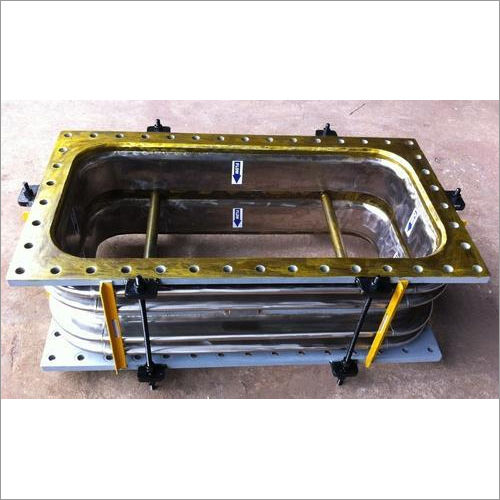
- Single or double line bellows assembly is connected with the balancing bellows with the help of tie rods or bars. This helps in restraining the axial and compressive thrust that is caused due to internal pressure
- It also allows free lateral movement
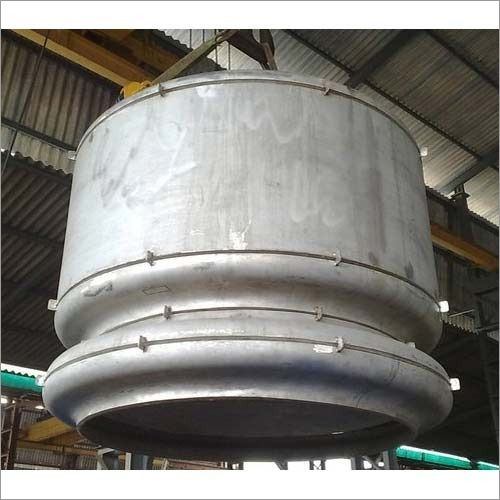
Versatile Applications for Industrial NeedsStainless Steel Bellows are ideally suited for expansion and vibration absorption within piping systems, chemical processing units, HVAC assemblies, and power plants. Their robust flexibility allows them to efficiently handle thermal movements and reduce mechanical stress, ensuring optimal performance in critical environments.
Superior Material Selection and ConnectionsManufactured using SS304, SS316, or SS321 alloys, these bellows offer excellent corrosion resistance and durability. End connections are available in flanged, butt weld, and socket weld types, ensuring secure integration with existing pipelines while maintaining leak-proof operations across various industrial sectors.
Custom Sizes and Reliable PerformanceWith dimensions ranging from DN25 to DN300 and lengths between 100 mm and 1000 mm, the bellows can be tailored to specific operational requirements. Weight varies between 1.5 kg and 15 kg depending on size, guaranteeing adaptability for diverse project demands, all finished in a sleek silver metallic color.
FAQ's of Stainless Steel Bellows:
Q: How are stainless steel bellows installed in industrial piping systems?
A: Stainless steel bellows can be installed using butt weld, flange, socket weld, or threaded end connections. The choice of connection depends on the piping layout and application requirements, with professional installation recommended to ensure optimal alignment and leak-proof performance.
Q: What benefits do SS304, SS316, and SS321 grades offer for bellows?
A: SS304 provides good general corrosion resistance, SS316 offers enhanced resistance against chemicals and marine environments, while SS321 is best for high-temperature applications. These materials ensure longevity, reliability, and compatibility with various media including steam, gases, and liquids.
Q: When should multi-ply corrugation type bellows be used instead of single ply?
A: Multi-ply bellows are preferred in applications requiring greater flexibility, higher pressure ratings, or enhanced fatigue resistance. Single ply variants are suitable for standard expansion and vibration absorption in less demanding operating conditions.
Q: Where are stainless steel bellows commonly applied in India?
A: Stainless steel bellows are widely used in industrial sectors such as chemical plants, HVAC systems, piping networks, and power generation facilities across India. They are available from manufacturers, suppliers, fabricators, and exporters nationwide.
Q: What is the process for customizing the size of stainless steel bellows?
A: Customization involves specifying the required nominal diameter (DN25-DN300), length (100 mm to 1000 mm), and connection type. Manufacturers evaluate project needs and fabricate bellows according to precise dimensions, operating pressure, and temperature conditions.
Q: How does using stainless steel bellows benefit industrial operations?
A: The use of stainless steel bellows enables effective absorption of thermal expansion and mechanical vibration, prevents leakage, and offers corrosion resistance. This improves the lifespan of piping systems, reduces downtime, and enhances operational safety.

 English
 Spanish
 French
 German
 Italian
 Chinese (Simplified)
 Japanese
 Korean
 Arabic
 Portuguese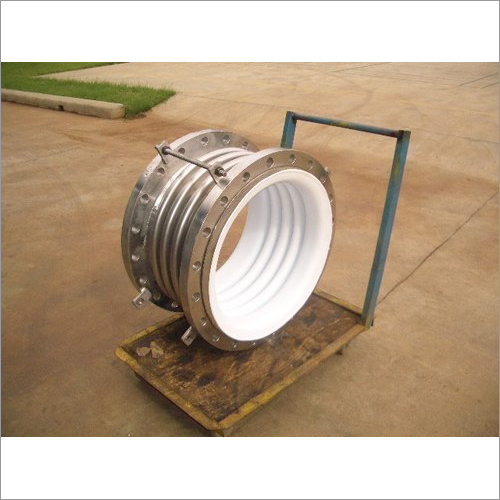




 Send Inquiry



